viernes, 18 de mayo de 2012


Can You Call a 9 Year Old a Psychopath?
This is an article written by Jennifer Kahn, who teaches at the University of California Berkeley Graduate School of Journalism. This is her first article for the magazine.
This story is about a study being conducted at Florida International University,directed by Dan Waschbush about children exhibiting a disorder labeled as "callous unemotional children", who exhibit a distinctive lack of affect, remorse o empathy and who are considered at risk of becoming psychopats as adults.
Their behavior is a mixture of impulsiveness, aggression, manipulativeness and defiance.
An anatomical analysis of their brains shows a significant difference with the regular brain structure: a smaller subgenical cortex and a 5 to 10% reduction in brain density in portions of the paralimbic system, region of the brain which is associated with empathy an social values and active in moral decision making.
It has also been discovered that this condition is genetic and highly heritable, but the genetic risk can be mitigated by environmental influences, like warm,understanding and effective parenting. Also, studies show that it may be possible to "rewire" the brain so that children affected by this disorder might develop greater empathy through terapies that teach them to identify emotions and behave accordingly.
As I was reading through the different comments to this powerful article, there were opinions ranging from an inadecuate treatment of a child as a guinea pig in a closed environment, where they are very conscious of being observed as "rare objects", to the ones offered by some educated scholar who, with some reluctance, offered a possibility of possession by an evil entity and suggested religious intervention in the treatment.
Personally, I think that in the American society, in which I live, scientists are trying to label human behavior to extremes which tend to draw "difficult to manage" kids in special education facilities which distinguish them from regular schooling. This, while making classes more manageable for educators, could also mean the breeding of a generation of resentful kids who grow with a conscience that they are different and that can use that as an excuse to perpetuate or justify their future actions. As a parent of three very different children, with different psychological approaches and needs, I have learned by experience that "conscious" children and adults use their early childhood experiences as an excuse for their passions and reactions and carry them all their lives as "saving canes" on which to rely to explain their mishaps.
I believe that the big line which distinguishes animal behavior from human behavior is the intellectual capacity of the human brain which has the oportunity to develop while living in society. There have also been studies of individuals who have been nurtured and lived by accident with animals of higher intelligence, like apes,and had no contact with humans. Their brains "were wired" for that experience and their reactions were primitive. Once they were rescued to human society, they were able to adapt and learn from the new circumstances. By the same token, I believe that man is the result of the environment in which he is raised, and if he is sorrounded by bad influences he will respond to those primitive instincts...without no control and care for the basic feelings. Also, education and a warm sorrounding are basic in the rearing of a child.
Why not stop labeling behaviors, and try to make all children identify people's emotions and make them less selfish and caring? At home, at school, that should be the priority, because if these scientists believe there could be a rewiring of the brain of the so called UC children, why not rewire all of us into a more sensitive society. Which are the limits of normality?
And if this condition is hereditary, as the scientists say, what are the hopes for chidren being reared by manipulative parents who have themselves not learned about empathy for other people feelings...in this case, their own children. As the article suggests, this should be a therapy which involves the whole family... and in my opinion, society in general,if we are to be subject to unemotional and ruthless politicians.
Copy and Paste the link and please read the mentioned article.
http://www.nytimes.com/2012/05/13/magazine/can-you-call-a-9-year-old-a-psychopath.html?smid=pl-share
miércoles, 16 de mayo de 2012
La Violetera
Cuando tenía alrededor de 12 años, se estrenó la película "La Violetera" de la gran artista española Sarita Montiel. Todas las señoras cuarentonas y las chicas más jóvenes, se pasaban la voz de lo linda que era la película y que era aún mas bella, la actriz principal Sarita. Como la película era según la censura, para "mayores de 15", mi mamá, que quería compañía para ir a verla, y mi papá se negaba a ir con ella pues la calificaba de muy cursi, me disfrazó de niña grande, con moño, algo de pintura labial y falda a la mitad de la rodilla...crecí 10 años en un momento! Y nunca me sentí más feliz cuando pude pasar delante del boletero haciéndome la que conmigo no era la cosa! Por supuesto que además me sentí importante porque era mi primera película donde yo había derrotado a la censura. Mi mamá y yo salimos embobadas,envidiando la belleza de esta artista, e imaginando cada una el romance de la protagonista con un hombre millonario y guapísimo. Las señoras de ese entonces vivían soñando que su hijas se casarían hasta con el príncipe de Gales u otro millonario cuando crecieran y así "perpetuarían su linaje".
Sarita Montiel, cantante y actriz, nació el 10 de marzo de 1928 en Castilla, La Mancha, en España. Sus películas El Último Cuplé y La Violetera fueron los exitos taquilleros más grandes de el cine hispano de los 50 y 60. En 1974 se retiró del cine para dedicarse a la actuación en teatro y a grabar su propio show de televisión. Hoy en día, con sus 84 años, todavía conserva una lucidez mental envidiable y sigue siendo entrevistada y actuando en la televisión. En el año 2004, después de casi 40 años de no haber actuado en el cine, aceptó participar en la controvertida película dirigida por Pedro Almodóvar, La Mala Educación, junto con el actor Gael García Bernal. En el 2011 trabajó en la película "Abrázame" dirigida por Oscar Parra de Carrizosa.
Les presento un extracto de "La Violetera", donde Sarita canta la famosísima canción que lleva el nombre de la película y la que todas las chiquillas que la vimos nos aprendimos la letra y la tarareábamos cada vez que queríamos recordar esa historia romántica.
sábado, 12 de mayo de 2012
Mujer...Madre
Mujer…Madre


En la cosmovisión andina, la tierra o pachamama (en quechua) es la fuente de origen o nacimiento de todos los seres vivientes... "De la tierra nacemos todos, ella nos cría y nos amamanta, porque es la madre tierra". Entre los astros, la luna rige a los ciclos de los cultivos y al comportamiento de las mareas; y es a través de su observación, cuando se determinan las actividades agrícolas en las culturas de subsistencia. Y el principio femenino de la luna se basa en su hermandad con la tarea de la mujer en el campo, y con la fortaleza de su influencia a pesar de la suavidad de sus rayos.
Así, las
primeras culturas, rindieron homenaje a la mujer, porque a través de ella se
producía la vida. Entre los restos arqueológicos de culturas primitivas de
Europa, Asia y América, se han encontrado imágenes femeninas representando a la
mujer como divinidad. Se han encontrado figurillas de barro representando a mujeres desnudas y embarazadas, que se suponía
eran habitadas por divinidades femeninas y que ayudarían a estos pueblos a tener
éxito en sus vidas. El aspecto femenino de la divinidad representaría el medio
para unir lo superior con lo inferior, el gran todo con lo particular.
 |
| Venus de Willendorf |
En las culturas de Europa antigua, en Egipto y Creta, las mujeres siempre han tenido un lugar de honor y respeto y han sido consideradas como el componente más importante dentro del núcleo familiar. Gran cantidad de científicos e historiadores están de acuerdo que las primeras sociedades se basaron en la descendencia matrilineal y en el matriarcado. La mujer era encargada de las labores agrícolas y de la procreación, crianza y alimentación de la familia, y tenía el mando del hogar, mientras que los varones se dedicaban a la caza y pesca y se iban a las guerras territoriales. Así, en aquellas sociedades, se tenía conciencia de la importancia económica y social que representaban las mujeres para la continuidad de la vida comunal y su organización social correspondía a esta consideración.
En los mitos que han prevalecido a través de
la tradición oral de los pueblos, la imagen de la mujer como divinidad siempre
ha estado presente y se han celebrado ritos para las divinidades femeninas con
el fin de ganar su favor y protección. Hoy en día, todavía subsisten este tipo
de sociedades con carácter matrilocal, como es el caso de las culturas amerindias
(indígenas americanos; en términos antropológicos se refiera a culturas centro
americanas, caribeñas y sudamericanas.) Inclusive en algunos mitos se ha
incluido la imagen de la madre universal, una especie de madre hermafrodita,
que contenía dentro de ella los dos géneros, y dentro de cuyo cuerpo primaba el
género femenino, capaz de procrear por sí sola, y que por lo tanto, se le
considera virgen y representa el concepto de libertad y soberanía de la mujer.
 |
| La dualidad |
Es curioso,
cómo el cristianismo toma este concepto de virgen para explicar la fecundación
de María como una acción divina en la que no interviene ningún ser terrenal que
pueda trastocar la imagen de la divinidad de Cristo. Por otro lado, también es
importante que en Israel, Egipto, Tibet, China, Grecia y Roma, se le llamaban a
sus deidades femeninas reinas del cielo.
En las imágenes de arte religioso de muchas
culturas antiguas como Mesopotamia, Egipto y África, se representa a la madre
con el niño. Por ejemplo, la estatua de Isis, sentada con su hijo Horus en las manos,
o la imagen de la Virgen Negra de la que se dice que es de origen Bizantino,
del siglo XII y que fue traída a América por los monjes benedictinos; son
famosas imágenes de vírgenes negras, las vírgenes de Atocha Montserrat y la Candelaria.
 |
| Isis-Horus |
A la imagen antigua de una madre con niño se le llama “Diosa Madre” porque se deduce que es una representación de la tierra misma dando al hijo la vida y el ser. Cuando, en el cristianismo llegó el momento de dar una imagen a la madre de Jesús, se le representó como la antigua Diosa Madre.

Las mujeres
madres, no son seres pasivos, sino que llevan sobre sus hombros la
responsabilidad de formar al resto de los seres humanos de la tierra.
Generalmente los primeros años de la vida de un niño, son los años del
aprendizaje en donde se conforman las creencias, los sentimientos, los
pensamientos, y es por todo esto que la influencia de la madre en esto años, es
muy importante para su desarrollo humano y espiritual. Es así que la
intervención de la mujer en el desarrollo de la humanidad siempre ha sido
vital, y el resultado de su influencia mala o buena, ha sido y seguirá siendo
determinante para la familia humana. Las mujeres madres, tienen la difícil
tarea de sobreponerse a sus pasiones, para hacer uso de su ternura innata,
fruto de haber tenido mantenido una vida en su vientre, haber contribuido a su
formación y haberla sentido al mismo tiempo, como parte de ellas y haber
sido responsables por su desarrollo óptimo. Tienen la obligación de llenarse de
paciencia para mansamente hacer frente a los años de formación de un ser humano,
que ya lleva dentro su propio mapa cerebral y espiritual y una individualidad
que lo marcará para siempre. Una madre tiene que renunciar a su individualidad
para el resto de su vida; en el sentido de que su existencia ya nunca va a ser
la de ella sola sino que avanzará a la par de la de ese ser al que alumbró.
Como madre, tendrá que desarrollar una fortaleza espiritual muy grande para
hacer frente a las primeras inquietudes del hijo que está criando, y cuando
éste salga al mundo no terminará su labor, porque aunque sea de lejos estará
observando sus triunfos y llorará con sus fracasos.
 |
| Oswaldo Kantule: Maternidad |
En la
mitología griega, Venus, la diosa del amor, se une con Marte, la fuerza de la destrucción
y de su unión nace la diosa Armonía, en la que triunfa el amor y donde se hace
evidente la dualidad de la creación. Y la maternidad es un acto de amor, porque
a pesar de los desafíos que se le presentan a la mujer en todas sus etapas,
ella lleva grabada en su espíritu, la unión eterna con los seres a los que
introdujo en este mundo. Por esto, es que la celebración de la mujer-madre, de
la superioridad e importancia de su misión entre los seres humanos, debe ser
recordada y celebrada siempre y si alguna vez su proceder es equivocado, debe
tenérsele una especial consideración sólo por el rol que le ha sido asignado.
 |
| Mi madre y yo |
Feliz Día
de las Madres a las que tuvieron la dicha de tener hijos y para aquellas que no
los tienen, por qué no aprovechar su
condición de liderazgo y superioridad para compartirla con seres que
reproduzcan esta cualidad.
Lucy Newton
Valdivieso
Mayo, 12, 2012
miércoles, 9 de mayo de 2012
THE COCKTAIL ERA AND THE PROHIBITION IN THE UNITED STATES
THE COCKTAIL ERA
It was the time of the Prohibition...1920-1932. The Lutherans had decided that we were living in an era of too much laxity. People were indulging in too much drinking and other "forbidden" pleasures which were bad for the spirit, good morals and health, and decided to push the government into giving laws which would ban the sale of liquor. The Women's Temperance association, which had been pressing the government since 1826 for laws against drinking, blaming it as a cause of poverty, domestic, violence and crime, finally got its wish along with the members of the progressive movement who sought to improve society and political life through social and technological progress, which could only be possible getting rid of excesses in mercantilism, of social injustice and political corruption. The latter sought for reforms in health laws, social security , unemployment laws, minimum salary for women, federal warranty for bank deposits, 8 hour working day, income tax and a ban on liquor which was considered the origin of political corruption (they said that politicians gathered in saloons to discuss loopholes in the law.) Furthermore, with the engagement of the US in World War, there was an urge to save money used in the production of grain for liquor for war expenses. This last motive, it lost its validity because war was over before the Prohibition.
And so it was that in 1920 Congress approved the National Prohibition Act which through the Volstead Act, specified in detail what was considered "bad liquor" and the penalties associated with its use (wine for religious celebrations and domestic wine for farmers uses were an exception). Section 29 of the Volstead Act allowed the making at home of wine and cider from fruit (but not beer). Up to 200 gallons per year could be made, and some vineyards grew grapes for home use. Also, one anomaly of the Act as worded was that it did not actually prohibit the consumption of alcohol; many people actually stockpiled wines and liquors for their own use in the latter part of 1919 before sales of alcohol became illegal the following January.
The prohibition was not well taken by the majority of the population among the United States, and the illegal consumption of alcohol generalized among them. The clandestine production of the so called spirits increased and corruption augmented, leading to the creation of organized crime. The sale of alcohol was monopolized by the mafia and was backed by corrupt government employees. Physicians prescribed whisky for medical reasons and more than 4 million liters of alcohol were sold every year. Federal Agents killed more than 200 suspects between 1920 and 1927 and law was not the same for everyone. President Harding had great amount of liquor reserves in the White House and alleged "this was due to very important State reasons".
All kinds of tricks to violate the law went into effect, like the sale of the wine bricks or liquid and semisolid grape concentrates by a company called Vino Sano (healthy wine), which was sold with a warning: "After dissolving the brick in a gallon of water, do not place the liquid in a jug away in the cupboard for twenty days, because then it would turn into wine." One grape block producer sold nine varieties: Port, Virginia Dare, Muscatel, Angelica, Tokay, Sauterne, Riesling, Claret and Burgundy.
Also, there was a flourishment of the "speakeasy (you got to be moderate and sleek in your behavior, so you wouldn't be caught by enforcement agents) establishments", which were high-end clubs, which offered food and entertainment and demanded strict elegant dress codes. In Chicago, for example, Al Capone got to own all of these establishments. There were other places called "blind pigs", which only sold liquor and beer and would use the excuse of being open for animal sights.
This was the time of the flappers or liberal ladies, who started to be frequent patrons in the clubs and used special and unconventional loose dresses and elaborate jewelry, smoked cigaretes and hid bottle flasks attaching them to garters under their dresses. It was the time when women were being granted the right to vote and the liberal movements were on vogue.
It also, as we shall see, was the cocktail culture era; in which cocktails were served, supposedly as fruit juice, to hide their alcohol contents.
The government realized that the consequences of this moralistic approach had been worse than freedom in the people decision and soon Congress divided and the "wet" Democrats got their way.
It was with President Roosevelt that there was an amendment to the National Prohibition Act in 1933 and this infamous period ended.
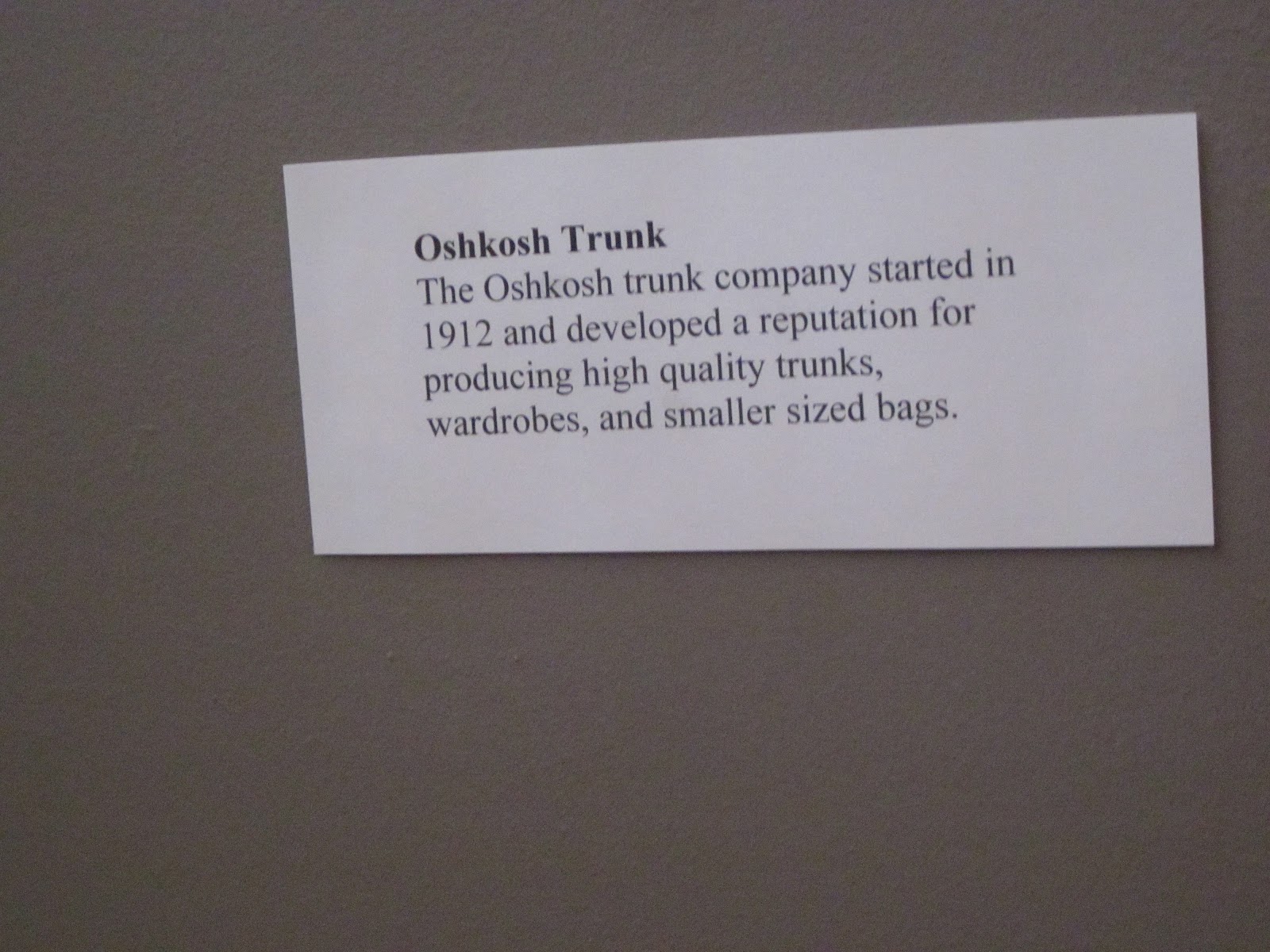
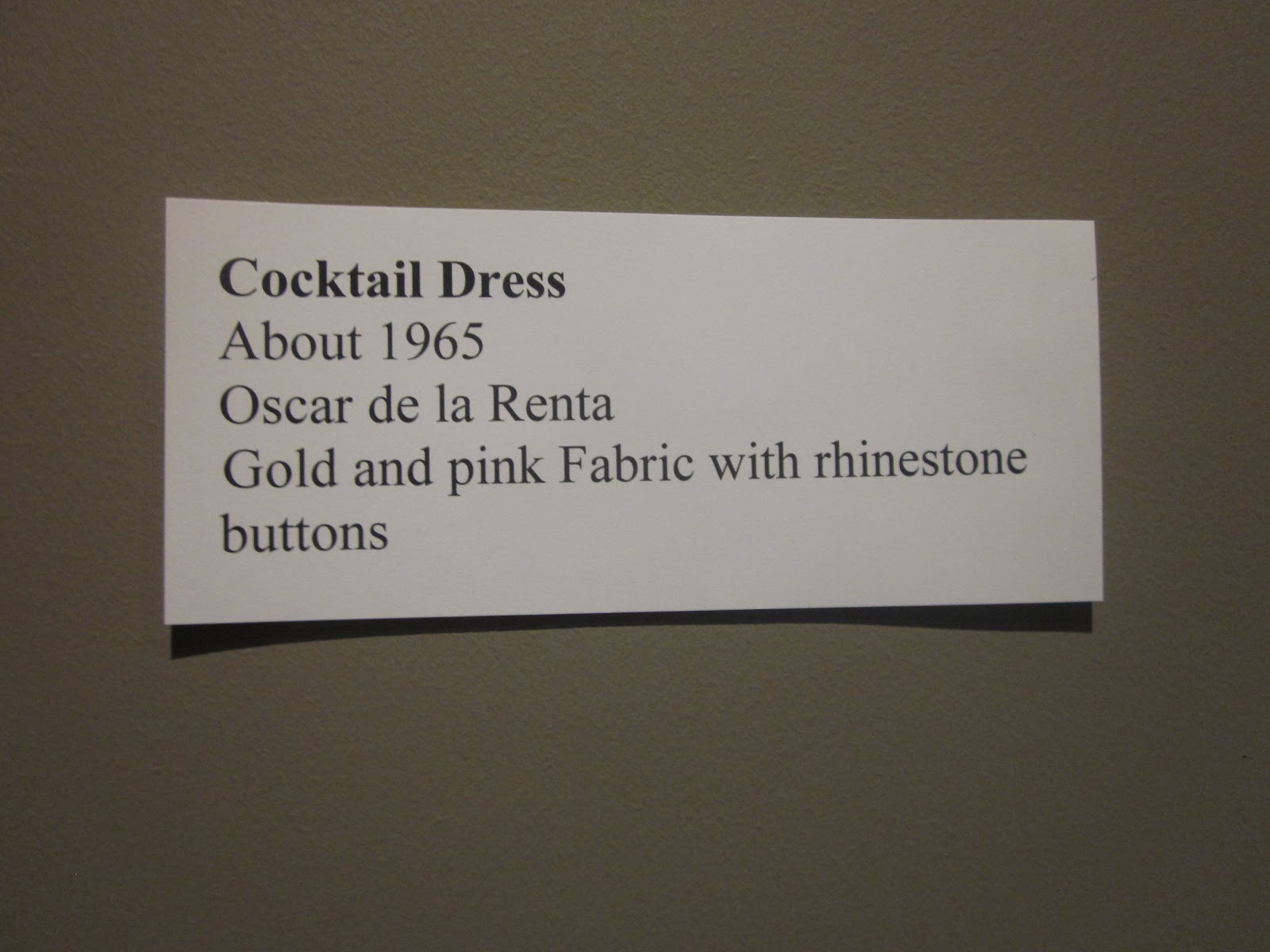
The following exhibit which I am about to present is currently ongoing in Planting Fields Arboretum
National Historic Park in Long Island, the former home of William Robertson Coe, who established the Foundation for the enhancement and development of his former 400 acres estate, Planting Fields in Oyster Bay, New York, on the famous Gold Coast, home of many rich entrepreneurs at the time. William Robertson Coe (June 8, 1869 – March 15, 1955) was an insurance, railroad and business executive, as well as a horse breeder and collector of Americana and an important philanthropist for the academic discipline of American Studies. He had four children by his second wife Mai Rogers, daughter of an oil industrialist. After the death of Mai, William married Carolyn Graham Slaughter.
Coe lived through the prohibition area and in his mansion, he stockpiled enormous amounts of liquor of which he carefully kept track.
The exhibition has been named:
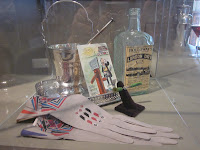
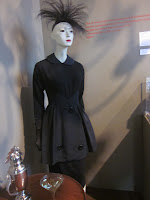
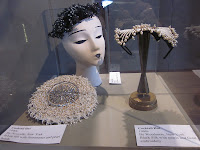
Cocktail Culture: The Gold Coast Years From Prohibition to 1960
"The cocktail is a quintessentially American drink, embodying a unique mix of innovation, modernity and glamour. The exhibition begins with the era of Prohibition in the 1920s which, on Long Island, has a rich and fascinating history. The show explores forty years of sweeping social changes and constant transformations of styles in fabulous clothes and fashion accessories. A cocktail is more than just a drink; the word conjures up the intermingling of company and the mixing of fashions to achieve a balanced, yet stimulating social concoction. To this day cocktails remain a vital force in cosmopolitan American culture." (The Planting Fields Foundation)
THE EXHIBITION:









It was the time of the Prohibition...1920-1932. The Lutherans had decided that we were living in an era of too much laxity. People were indulging in too much drinking and other "forbidden" pleasures which were bad for the spirit, good morals and health, and decided to push the government into giving laws which would ban the sale of liquor. The Women's Temperance association, which had been pressing the government since 1826 for laws against drinking, blaming it as a cause of poverty, domestic, violence and crime, finally got its wish along with the members of the progressive movement who sought to improve society and political life through social and technological progress, which could only be possible getting rid of excesses in mercantilism, of social injustice and political corruption. The latter sought for reforms in health laws, social security , unemployment laws, minimum salary for women, federal warranty for bank deposits, 8 hour working day, income tax and a ban on liquor which was considered the origin of political corruption (they said that politicians gathered in saloons to discuss loopholes in the law.) Furthermore, with the engagement of the US in World War, there was an urge to save money used in the production of grain for liquor for war expenses. This last motive, it lost its validity because war was over before the Prohibition.
And so it was that in 1920 Congress approved the National Prohibition Act which through the Volstead Act, specified in detail what was considered "bad liquor" and the penalties associated with its use (wine for religious celebrations and domestic wine for farmers uses were an exception). Section 29 of the Volstead Act allowed the making at home of wine and cider from fruit (but not beer). Up to 200 gallons per year could be made, and some vineyards grew grapes for home use. Also, one anomaly of the Act as worded was that it did not actually prohibit the consumption of alcohol; many people actually stockpiled wines and liquors for their own use in the latter part of 1919 before sales of alcohol became illegal the following January.
The prohibition was not well taken by the majority of the population among the United States, and the illegal consumption of alcohol generalized among them. The clandestine production of the so called spirits increased and corruption augmented, leading to the creation of organized crime. The sale of alcohol was monopolized by the mafia and was backed by corrupt government employees. Physicians prescribed whisky for medical reasons and more than 4 million liters of alcohol were sold every year. Federal Agents killed more than 200 suspects between 1920 and 1927 and law was not the same for everyone. President Harding had great amount of liquor reserves in the White House and alleged "this was due to very important State reasons".
All kinds of tricks to violate the law went into effect, like the sale of the wine bricks or liquid and semisolid grape concentrates by a company called Vino Sano (healthy wine), which was sold with a warning: "After dissolving the brick in a gallon of water, do not place the liquid in a jug away in the cupboard for twenty days, because then it would turn into wine." One grape block producer sold nine varieties: Port, Virginia Dare, Muscatel, Angelica, Tokay, Sauterne, Riesling, Claret and Burgundy.
Also, there was a flourishment of the "speakeasy (you got to be moderate and sleek in your behavior, so you wouldn't be caught by enforcement agents) establishments", which were high-end clubs, which offered food and entertainment and demanded strict elegant dress codes. In Chicago, for example, Al Capone got to own all of these establishments. There were other places called "blind pigs", which only sold liquor and beer and would use the excuse of being open for animal sights.
This was the time of the flappers or liberal ladies, who started to be frequent patrons in the clubs and used special and unconventional loose dresses and elaborate jewelry, smoked cigaretes and hid bottle flasks attaching them to garters under their dresses. It was the time when women were being granted the right to vote and the liberal movements were on vogue.
It also, as we shall see, was the cocktail culture era; in which cocktails were served, supposedly as fruit juice, to hide their alcohol contents.
The government realized that the consequences of this moralistic approach had been worse than freedom in the people decision and soon Congress divided and the "wet" Democrats got their way.
It was with President Roosevelt that there was an amendment to the National Prohibition Act in 1933 and this infamous period ended.
The following exhibit which I am about to present is currently ongoing in Planting Fields Arboretum
National Historic Park in Long Island, the former home of William Robertson Coe, who established the Foundation for the enhancement and development of his former 400 acres estate, Planting Fields in Oyster Bay, New York, on the famous Gold Coast, home of many rich entrepreneurs at the time. William Robertson Coe (June 8, 1869 – March 15, 1955) was an insurance, railroad and business executive, as well as a horse breeder and collector of Americana and an important philanthropist for the academic discipline of American Studies. He had four children by his second wife Mai Rogers, daughter of an oil industrialist. After the death of Mai, William married Carolyn Graham Slaughter.
Coe lived through the prohibition area and in his mansion, he stockpiled enormous amounts of liquor of which he carefully kept track.
The exhibition has been named:
Cocktail Culture: The Gold Coast Years From Prohibition to 1960
"The cocktail is a quintessentially American drink, embodying a unique mix of innovation, modernity and glamour. The exhibition begins with the era of Prohibition in the 1920s which, on Long Island, has a rich and fascinating history. The show explores forty years of sweeping social changes and constant transformations of styles in fabulous clothes and fashion accessories. A cocktail is more than just a drink; the word conjures up the intermingling of company and the mixing of fashions to achieve a balanced, yet stimulating social concoction. To this day cocktails remain a vital force in cosmopolitan American culture." (The Planting Fields Foundation)
 |
| Cole Hall |
 |
| William Coe |
 |
| Cocktail Culture: The Glamorous Gold Coast Years From Prohibition to 1960 |
 |
| Newspaper article about the oncoming Prohibition |
 |
| Bottom of the article above |




 |
| The NY Times published a page about the exhibition |
Suscribirse a:
Entradas (Atom)